Resurrection Bay and Seward’s Marine Environment
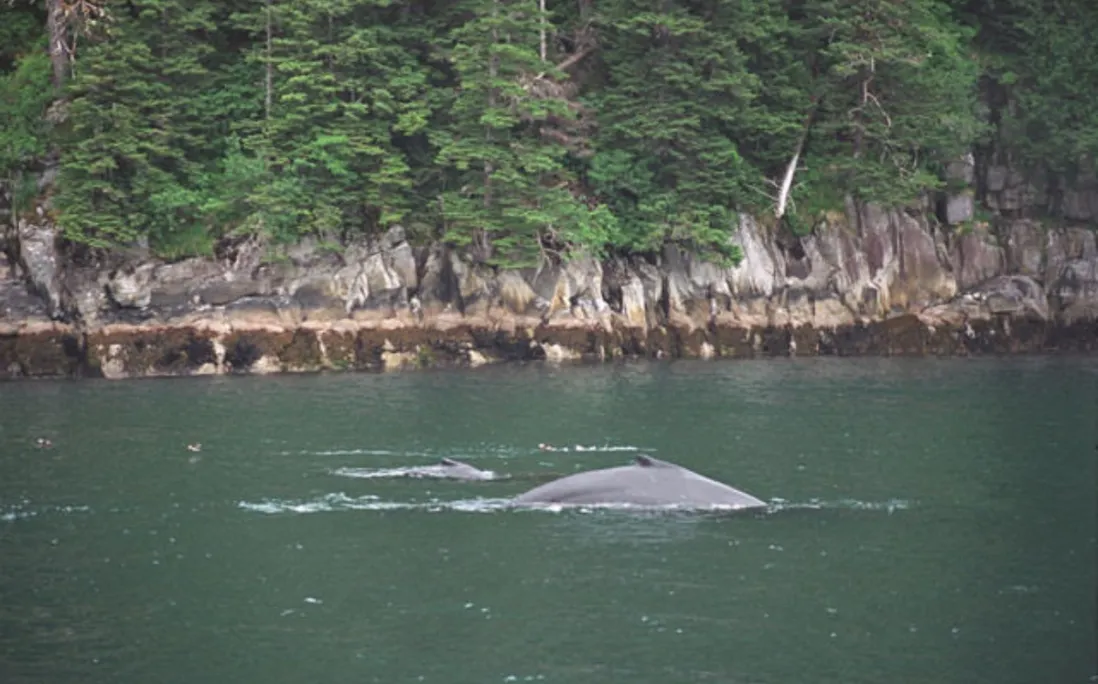
Seward sits at the head of Resurrection Bay, one of Alaska’s most productive saltwater fishing environments. The bay’s deep fjord structure, proximity to the Gulf of Alaska, and convergence of cold ocean currents create conditions that support exceptional populations of halibut, rockfish, and salmon. After decades of fishing throughout the Kenai Peninsula, I’ve come to appreciate what makes this particular corner of Alaska special. As your Cook Inlet halibut fishing charters team, we bring that same deep appreciation and decades of local expertise to every saltwater trip, ensuring you are positioned for the best action Resurrection Bay has to offer.
Understanding the geography and marine dynamics around Seward helps explain why certain species concentrate here, when they arrive, and where to find them consistently.
Resurrection Bay Fjord Structure
Resurrection Bay is a true fjord—a deep, glacially-carved valley flooded by the ocean. The bay extends roughly 16 miles from Seward to its mouth at the Gulf of Alaska, with depths exceeding 900 feet in some sections. This deep-water structure creates habitat fundamentally different from shallow coastal bays.
The steep underwater walls drop quickly from shore, meaning productive fishing grounds lie close to land. Charter boats can reach depths of 300-400 feet within minutes of leaving the harbor. This accessibility to deep water makes Seward efficient for halibut fishing—less time running, more time with lines in the water.
The fjord’s steep topography also creates upwelling zones where deep, nutrient-rich water rises toward the surface. These upwellings support abundant plankton blooms that form the base of the food chain. Baitfish concentrate in these productive zones, which in turn attracts salmon, rockfish, and other predators.
Gulf of Alaska Influence
Seward’s position at the northern edge of the Gulf of Alaska exposes it to open ocean conditions that don’t affect more protected waters. The Alaska Coastal Current flows westward along the gulf, carrying nutrient-rich water from Prince William Sound and beyond.
This current brings plankton, baitfish, and migratory species past Resurrection Bay. Salmon moving toward spawning rivers in Cook Inlet and other drainages pass through these waters, creating opportunities to intercept them before they enter fresh water. The fish are still ocean-bright, feeding aggressively, and in peak condition.
The gulf also influences weather patterns. Storms moving off the North Pacific hit Seward with more force than they hit areas farther up Cook Inlet. This exposure means trip planning requires attention to marine forecasts. A day that’s fishable in Homer or Ninilchik might be too rough outside Resurrection Bay.
Tidal Dynamics and Current Patterns
While Resurrection Bay doesn’t experience the extreme tidal range of upper Cook Inlet, tides still play a significant role in fishing success. The tidal exchange moves massive volumes of water in and out of the bay twice daily, creating current patterns that concentrate baitfish and position predators.
Halibut fishing often improves during periods of moderate current flow. The moving water carries scent from baits across larger areas, helping fish locate offerings. Too much current makes fishing difficult—holding bottom requires excessive weight. Too little current reduces scent dispersal and fish activity often slows.
Rockfish also respond to tidal movement, though their relationship to current differs from halibut. Rockfish often feed most actively during slack tide periods when they can hold position with less effort. Understanding these species-specific responses to current helps determine when to target which fish.
Surrounding Mountain Geography
The Kenai Mountains rise dramatically from Resurrection Bay’s shores, creating the steep terrain that defines the fjord. These peaks reach elevations over 5,000 feet within a few miles of tidewater, and many support glaciers that slowly grind toward the sea.
Exit Glacier, one of the most accessible glaciers in Alaska, lies just outside Seward. The glacier’s meltwater contributes to local streams but doesn’t significantly affect Resurrection Bay’s water clarity. The fjord’s deep structure and tidal exchange dilute glacial input quickly.
The mountains funnel weather patterns, creating microclimates around the bay. Certain areas receive more wind exposure, others stay calmer. Charter captains learn these patterns through years of experience, knowing which sections of the bay fish best under different conditions.
Nearby Freshwater Access
While Seward is primarily known for saltwater fishing, nearby freshwater opportunities add diversity to trip options. Several lakes and streams within short driving distance hold silver salmon during late summer and fall runs.
These freshwater systems provide alternatives when ocean conditions deteriorate. A day too rough for halibut fishing might be perfect for casting spinners to aggressive coho in a protected creek. Having both saltwater and freshwater options makes Seward versatile for multi-day trips.
The Russian River, though closer to Cooper Landing, draws many Seward-based anglers during the sockeye runs. The drive takes about 90 minutes, making it feasible for visitors based in Seward who want to experience the legendary combat fishing.
Harbor Infrastructure and Access
Seward’s deep-water harbor accommodates vessels of all sizes, from small skiffs to large commercial fishing boats and cruise ships. The protected harbor provides safe moorage and easy launch access regardless of outside conditions.
The harbor’s position at the head of the bay means shorter runs to productive fishing grounds compared to launching from more distant points. Most halibut and rockfish spots lie within 30-60 minutes of the dock, allowing half-day charters to be genuinely productive rather than mostly transit time.
Charter operations in Seward are well-established, with numerous experienced captains who know the bay intimately. The competition keeps quality high—boats that don’t produce don’t stay in business. This creates a situation where visitors have multiple solid options to choose from.
Seasonal Patterns and Species Timing
The fishing season in Seward follows predictable patterns tied to species migration and spawning cycles. Halibut are available from May through September, with June through August typically producing the most consistent action. Fish range from 20-pound “chickens” to occasional barn doors exceeding 200 pounds.
Salmon timing varies by species. King salmon pass through in May and June, though retention is often restricted to protect spawning runs. Silver salmon arrive in late July and peak in August, providing exciting action on lighter tackle. Pink salmon show up in odd-numbered years during July and August, offering abundant opportunities for novice anglers.
Rockfish remain available throughout the season, though targeting them specifically makes most sense when combined with halibut trips. The mixed-species approach maximizes variety and ensures action even when one species proves finicky.
Connecting to Broader Peninsula Fisheries
Seward occupies a strategic position on the Kenai Peninsula, offering access to fishing opportunities distinct from Soldotna, Kenai, or Homer. The deep-water saltwater fishing complements the river fishing available farther up the peninsula.
Visitors planning comprehensive Alaska fishing trips often split time between locations—a few days on the Kenai River for salmon and trout, then Seward for halibut and rockfish. This combination provides the full spectrum of Alaska angling experiences without excessive driving.
The Seward Highway connecting Anchorage to Seward ranks among Alaska’s most scenic drives, with numerous pullouts offering wildlife viewing and photography opportunities. The accessibility makes Seward attractive for visitors who want quality fishing without flying to remote locations.
Understanding Resurrection Bay’s marine environment, the surrounding geography, and how seasonal patterns develop helps anglers make informed decisions about when to visit and what to target. The combination of deep-water fjord structure, gulf influence, and nearby freshwater options makes Seward one of the peninsula’s most versatile fishing destinations.
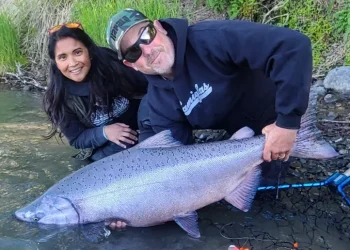
Mark and Cindy Glassmaker have been married for 28 years, and their business, Alaska Fishing with Mark Glassmaker, has been operating since 1990. Over the past 34 years guiding on the Kenai River, we’ve witnessed many changes. Through early diversification and the dedication of our entire guide staff and team, we’ve built and maintained what we believe is the premier Kenai River fishing experience.
We take great pride in our work and in the reputation our business stands for. Your trip becomes part of that legacy, and we are committed to making it exceptional. Every outing is approached with 100% effort and service, ensuring that your Alaska fishing trips not only meets but exceeds expectations.